Consultation and Plants for Public Display
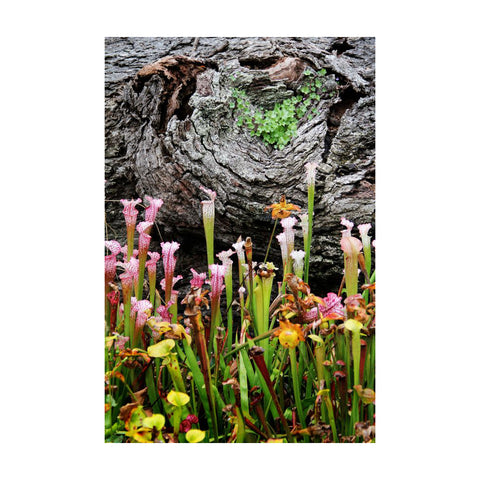
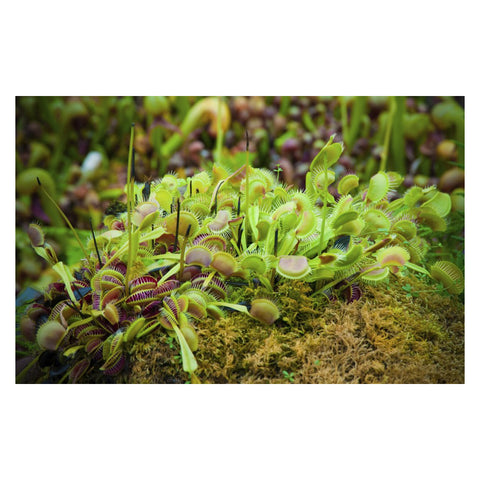
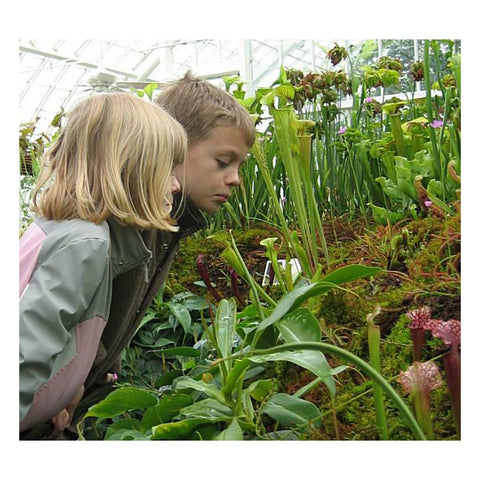
Because of their strange habit of luring and capturing prey, carnivorous plants possess an unfamiliar beauty and hypnotic charisma that inevitably ensnares the fascination of virtually everyone. More and more institutions have noticed this mass appeal and have chosen to take advantage of this by installing a carnivorous plant exhibit.
For over 25 years we have maintained the worlds largest collection of carnivorous plants on public display, while selling and shipping only the highest quality plants across the entire United States. Major botanical gardens, conservatories, universities, and zoos have heard of our reputation and sought us out for our expertise and plants. With our help, their exhibits have all been terrific successes, despite our plants unfair reputation for being difficult to work with.
For more information call us at 707-824-0433 and ask for Damon.We have worked with many institutions, some of which are listed below:
The San Francisco Conservatory of Flowers has hosted three five-month exhibits in 2007, 2010 and 2014. We provided all of the plants and they have all been the most popular exhibits in the conservatory's 100 year history.
"The San Francisco Conservatory of Flowers has been lucky enough to partner with California Carnivores for two highly successful exhibits. In both cases working with the California Carnivores team has been a true delight! Not only do they supply the most stunning selection of carnivorous plants in the world but they have been incredibly generous in sharing their knowledge and catering the bogs to meet our specific needs. Just listening to Peter and Damon’s heartfelt, educational and often hilarious explanations about how these truly wondrous plants lure, trap and kill their prey is enough to turn just about anyone into a carnivorous plant enthusiast." - Lau Hodges, Director of Operations and Exhibitions
The Franklin Park Conservatory
The Garfield Park Conservatory
The California Academy of Sciences
The San Diego Zoo
The Dallas Arboretum
The Descanso Gardens
Buffalo & Erie Botanical Gardens
Frederik Meijer Gardens
The United State Botanic Garden
MOSI BioWorks Butterfly Garden
Why put in a carnivorous plant exhibit?
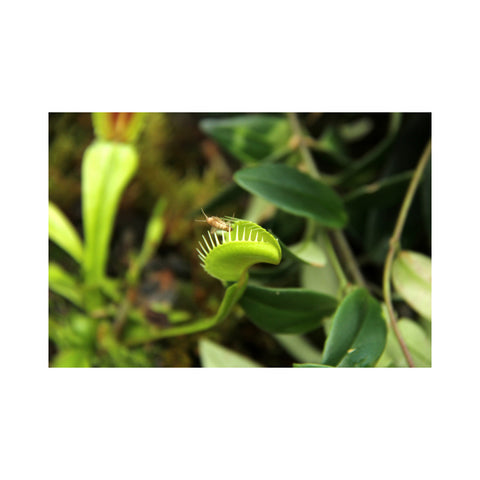
Carnivorous plants have mass appeal! Everyone loves the Venus Flytrap. No longer a world of poorly-grown, misunderstood oddities kept only by a very few, today growing Carnivorous plants is a booming hobby. A carnivorous plant exhibit will bring in lots of people who wouldn't normally go to a botanical garden or conservatory. The promise of witnessing the biological miracle of a plant that moves will get them in the door and once they are, use our plants to teach them all kinds of fun facts and valuable lessons like:
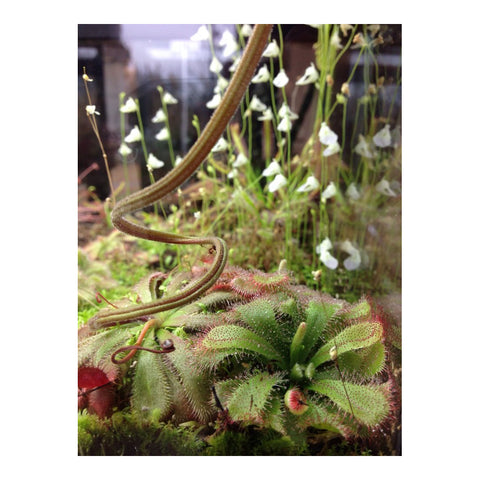
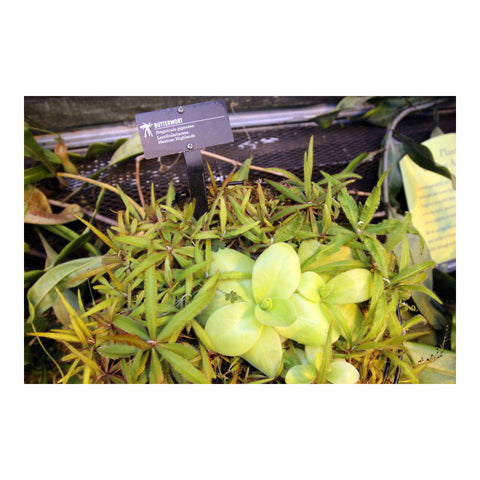
There's a lot more than flytraps; sundews, pitcher plants, butterworts and bladderworts, just to name a few! There are over 700 species of carnivorous plants and they grow on every continent in the world except for Antarctica. There are 17 genera within 10 families and the United States has the largest diversity of them in the world. In fact, the Venus flytrap does not come form Venus, but is an endangered species from North Carolina.
Wetland Conservation: Carnivorous plants almost all come from wetlands. After centuries of destroying what was thought to be worthless bogs and fetid mires that swarmed with mosquitoes, it is estimated in the US that only 5% of wild carnivorous plants remain since the arrival of Europeans. As your patrons fall in love with our plants, teach them to respect this misunderstood and essential habitat.
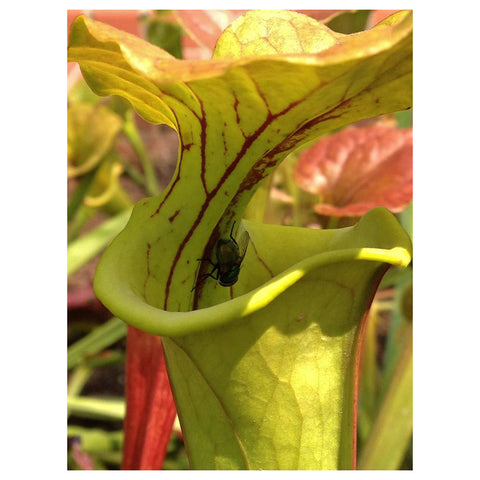
Evolution: Carnivory is a miracle of evolution. In order to conquer habitats too poor in nutrients for normal plants, carnivorous plants evolved the ability to lure, trap, digest, and consume insects that they have no way of knowing even exist. This trick has evolved at least 10 times to form many different traps. There are amazing examples of convergent evolution, such as dewy pines, rainbow plants, sundews, and butterworts which all use sticky mucilage-tipped glands to ensnare their unsuspecting prey, but are not closely related. Their common goal of catching insects has caused them to look more and more alike over millennia despite starting out from different ancestors. Also, they themselves have created new niches which have been filled by many species which live in close symbiosis with carnivores. The smallest frog in the old world lives only in the pitchers of a tropical pitcher plant, Nepenthes ampullaria, and a large green spider in the Southern United States perches on the top of pitcher plants hunting the drugged insects.
Charles Darwin: Although, made famous for his theory of evolution, Darwin was also the first carnivorous plant enthusiast. He spent twenty years writing his book "Insectivorous Plants", in which he conclusively proved to a world of skeptics that these plants were indeed carnivorous! At the time, belief dictated that animals ate plants and the thought that plants might sometimes eat animals was called blasphemy by Carolus Linnaeus. Darwin, however, preformed painfully exacting experiments with carnivorous plants to establish once and for all that these plants did indeed eat animals. In a letter to a friend he once wrote, "I care more about sundews than the origins of all the species on earth".
How should we display Carnivorous Plants?
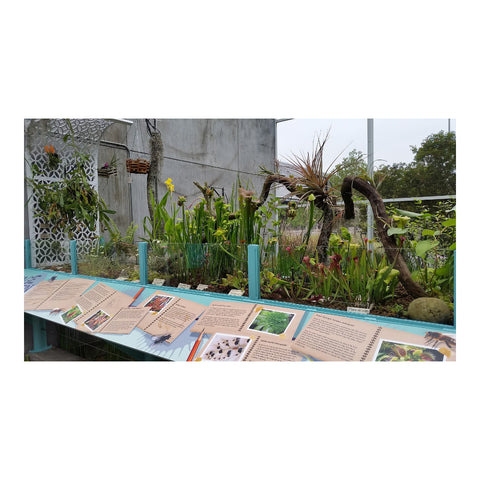
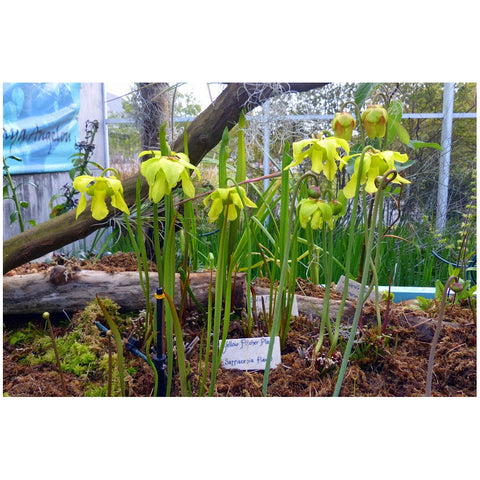
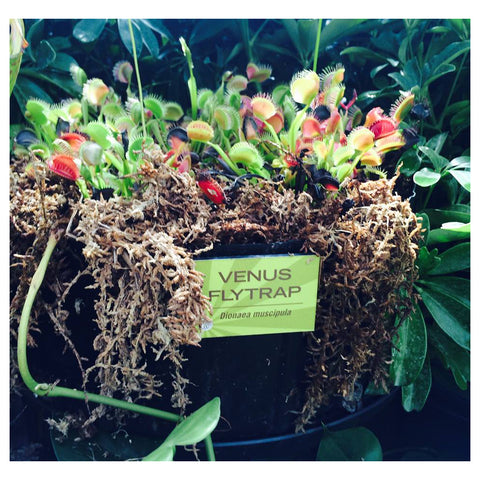
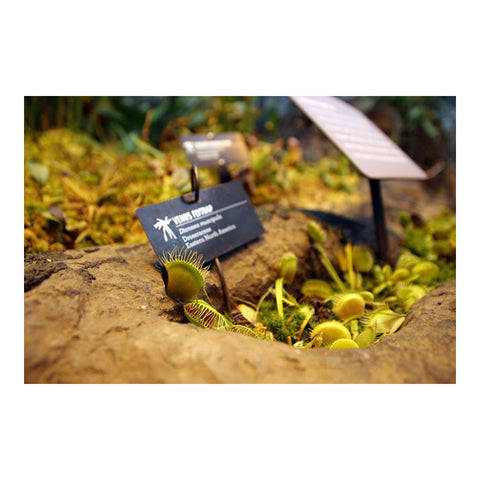
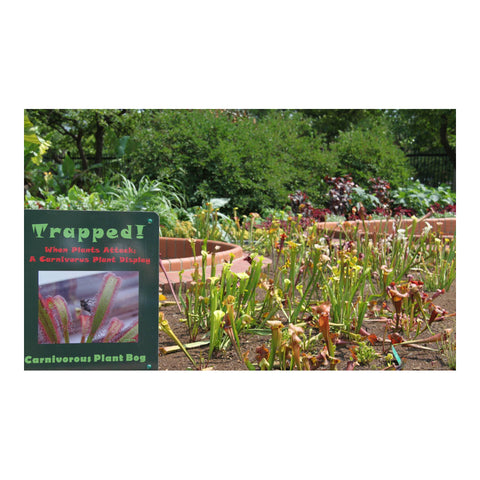
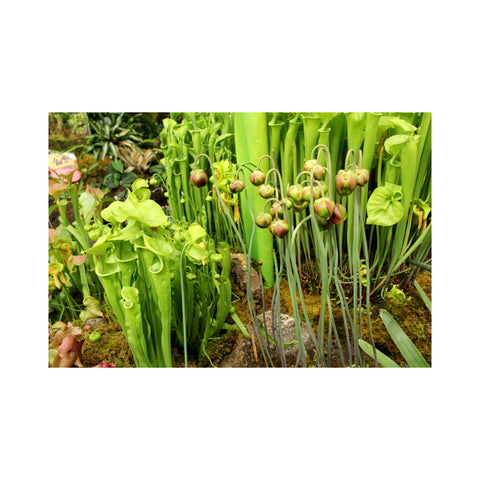
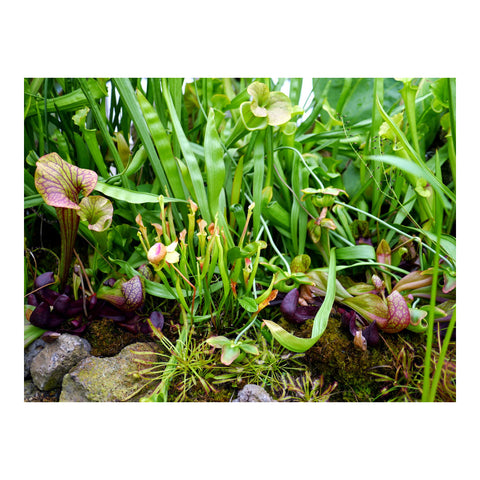
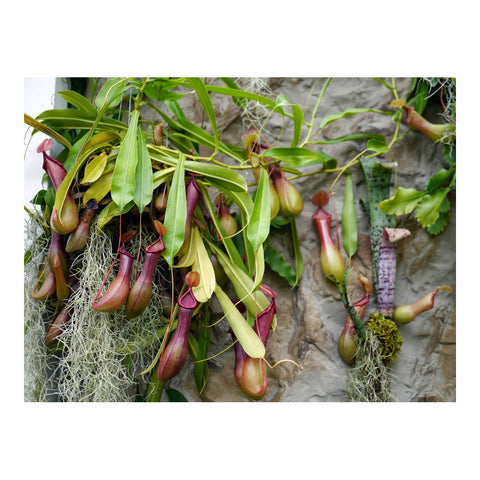
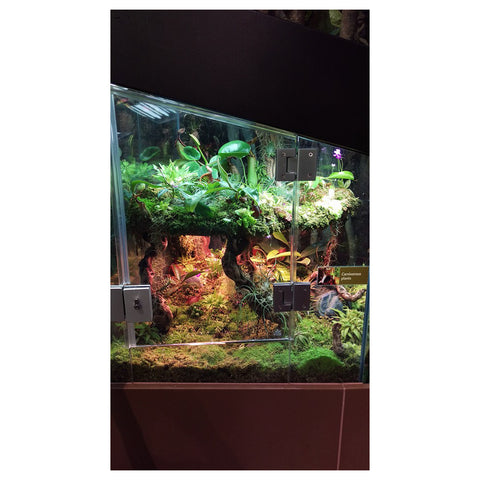
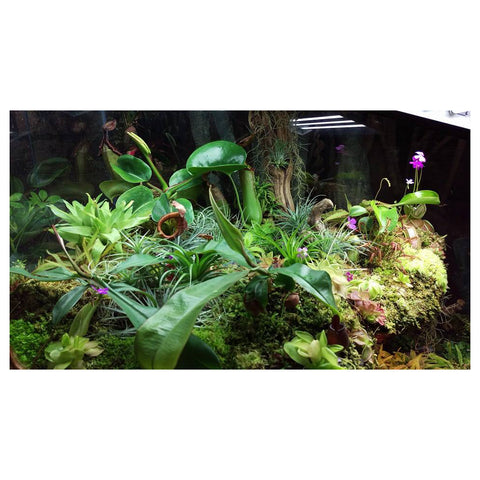
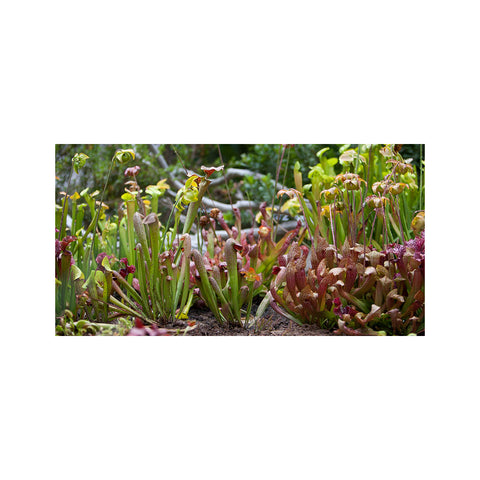
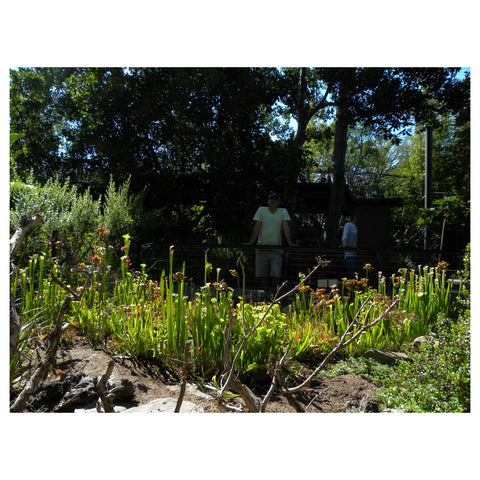
Temporary exhibits should not be planted. Over the years we have developed an easy method for faking temporary bog gardens. In fact, both the displays photographed on this page are not planted. The pots of our plants may be tucked within plastic bags full of water and nestled into a display. Then just cover the pots with Oregon sheet moss and you've got an instant bog. A planted bog garden will take at least three months under optimal conditions to moss over completely, until then it will look a little sloppy and muddy. Using our method, small bog gardens may be put together in a day and large exhibits built in under a week.
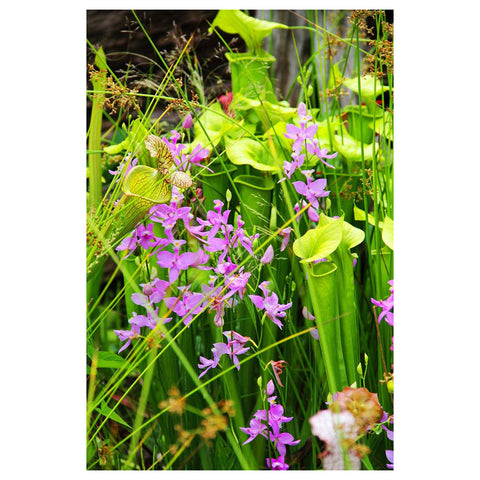
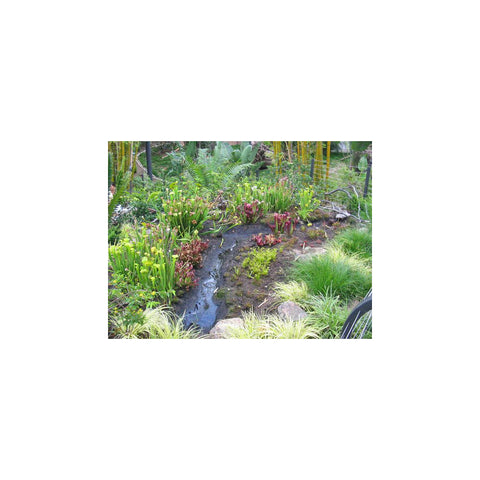
Permanent displays can be any size. Beautiful "Bog Gardens" can be made in a container as small as 24" shallow bowl or may be a large outdoor installation. Venus Flytraps, Sundews, American pitcher plants, some butterworts and bladderworts can all be grown together in harmony within these bog gardens. Carnivores require nutrient-free media and water, so we use a mix of 2 parts peat to 1 part washed horticultural sand. For in-ground bog gardens you will have to dig out the native soil, then put down a layer of sand followed by a thick pond-liner to contain the peat and sand mix. The depth only needs to be about 18 inches. It should be placed in full sun and you should be prepared to have enough purified or rain water on hand to keep it sopping wet all year. The water must be below 150 ppm dissolved salts and slightly acidic.
When should we display Carnivorous Plants?
If you're considering putting in a temporary exhibit with our plants be sure and consider winter dormancy first. The Venus flytrap, American pitcher plants, forked and thread-leaved sundews are temperate and all go dormant from around Halloween until late March. Ideal exhibition months are from May 1st until November 1st, at the absolute latest. Because we have so many plants, we always have some that look good, so we have helped exhibit some plants during off months, but the selection will be very limited. Permanent displays will experience dormancy too, but if you plant a good selection, some plants will keep enough presence to stay presentable until Spring when growth resumes. Permanent Bog Gardens are best built in late Winter to early Spring. Tropical pitcher plants and South African sundews look good year-round when grown in heated greenhouses.
Email through our website and get your carnivorous plant exhibit started today!