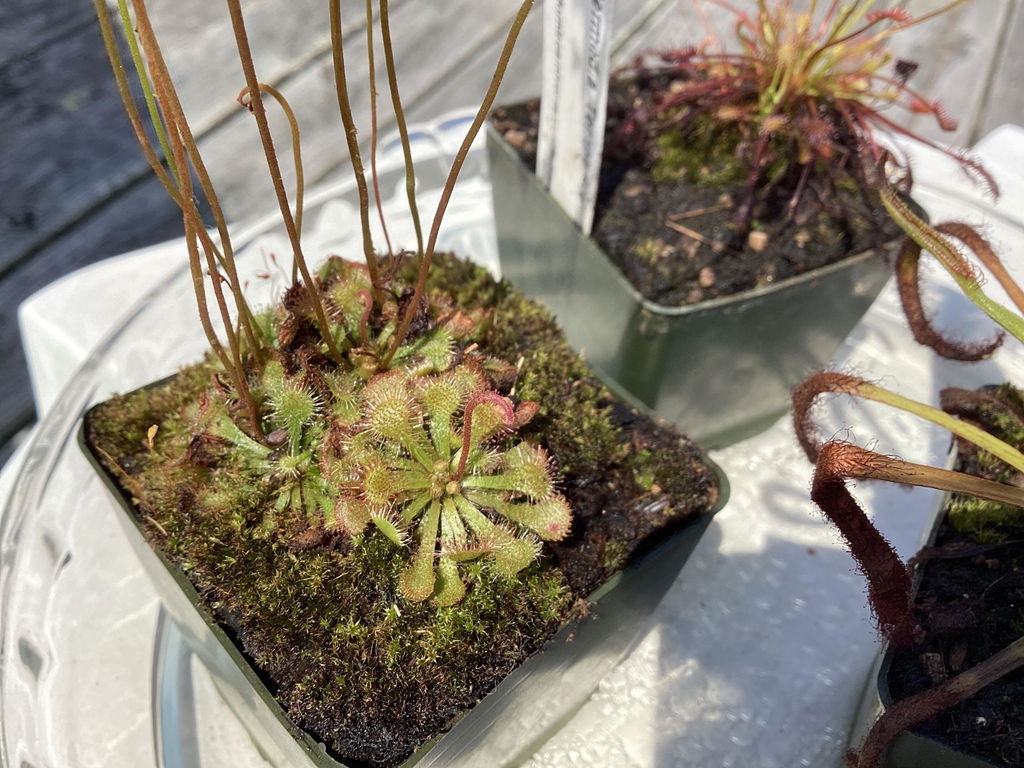
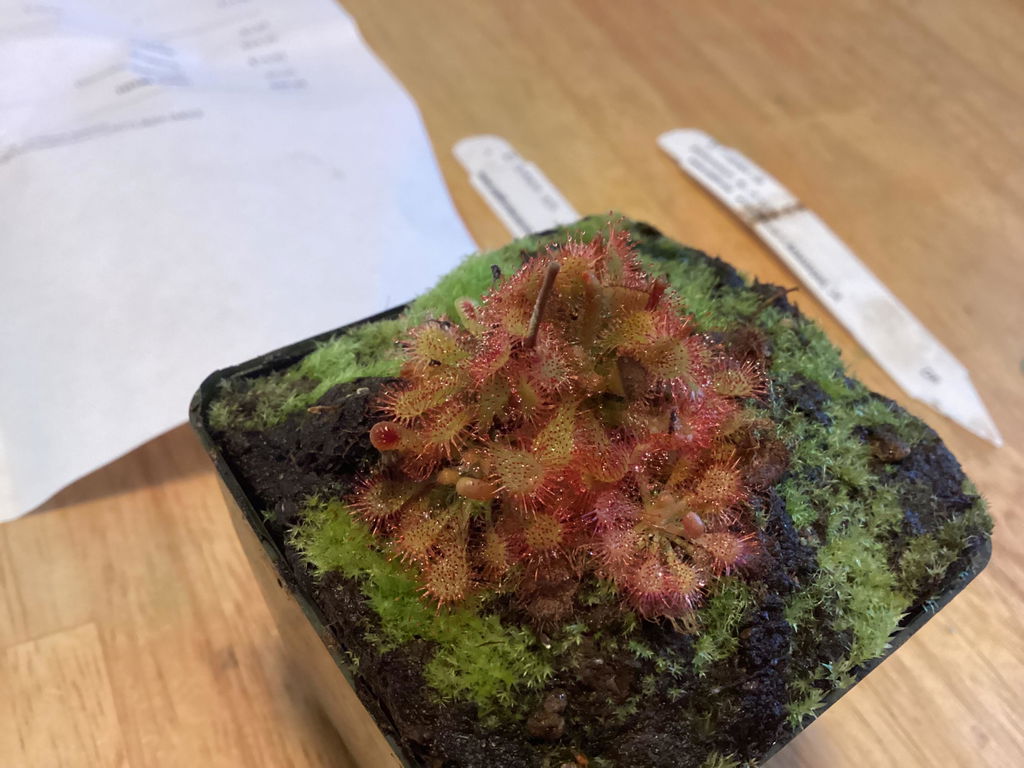
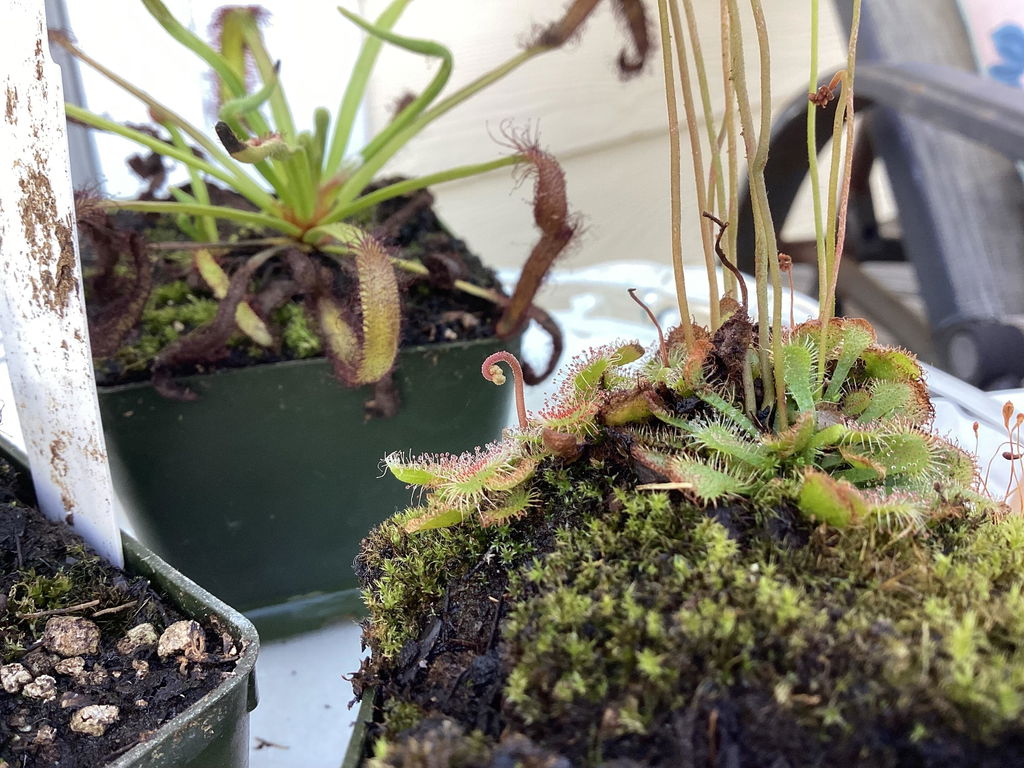
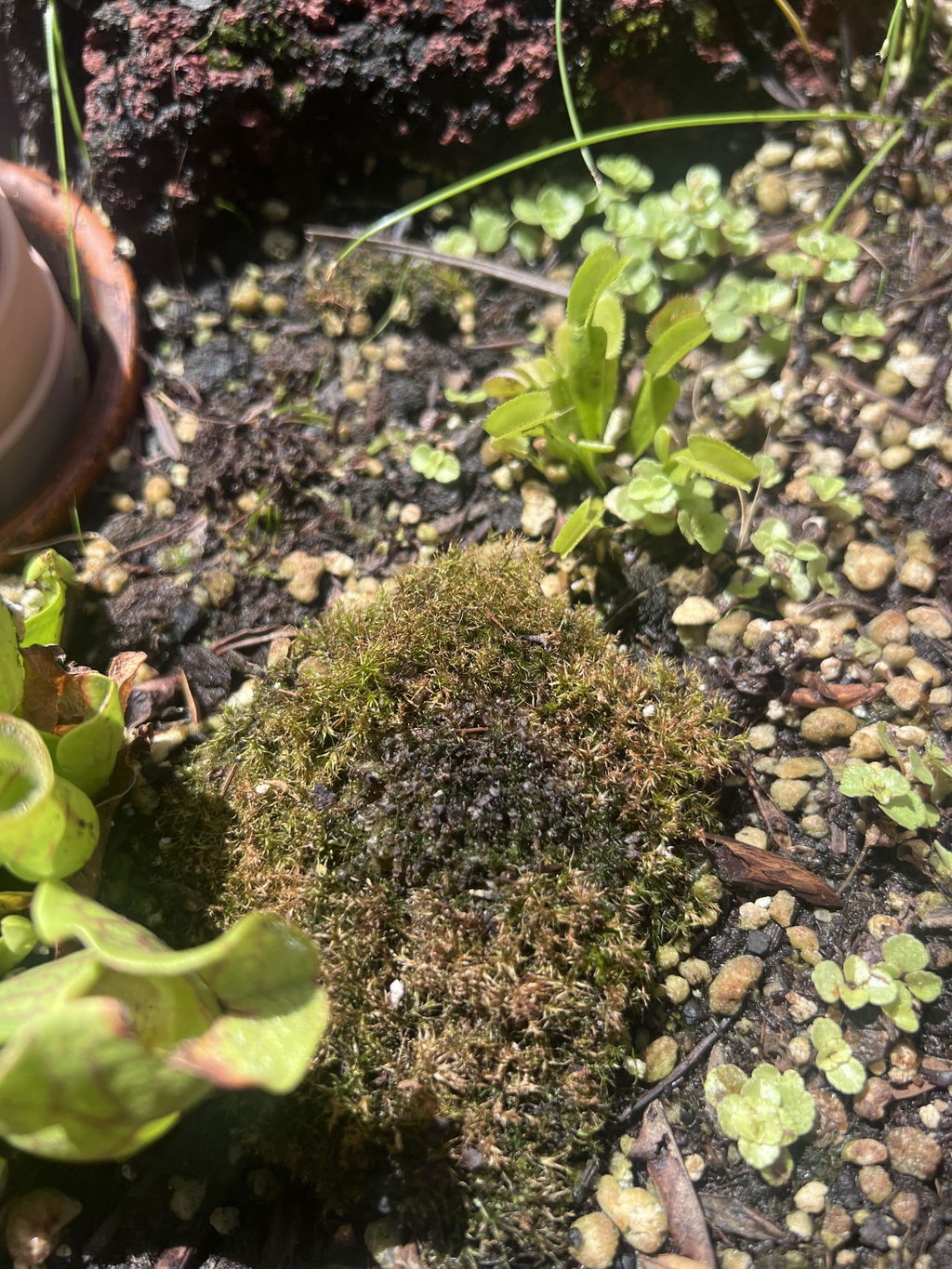
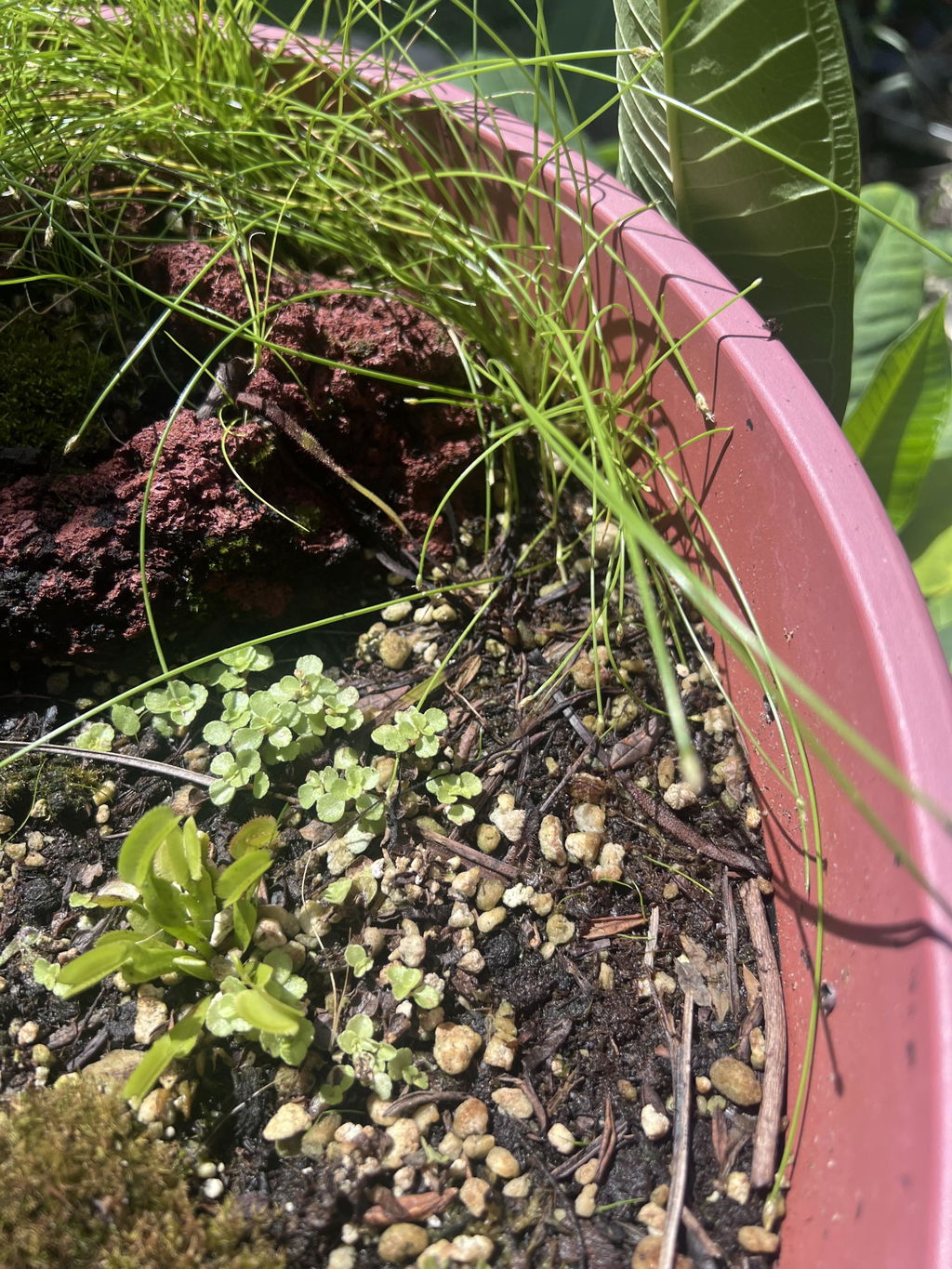
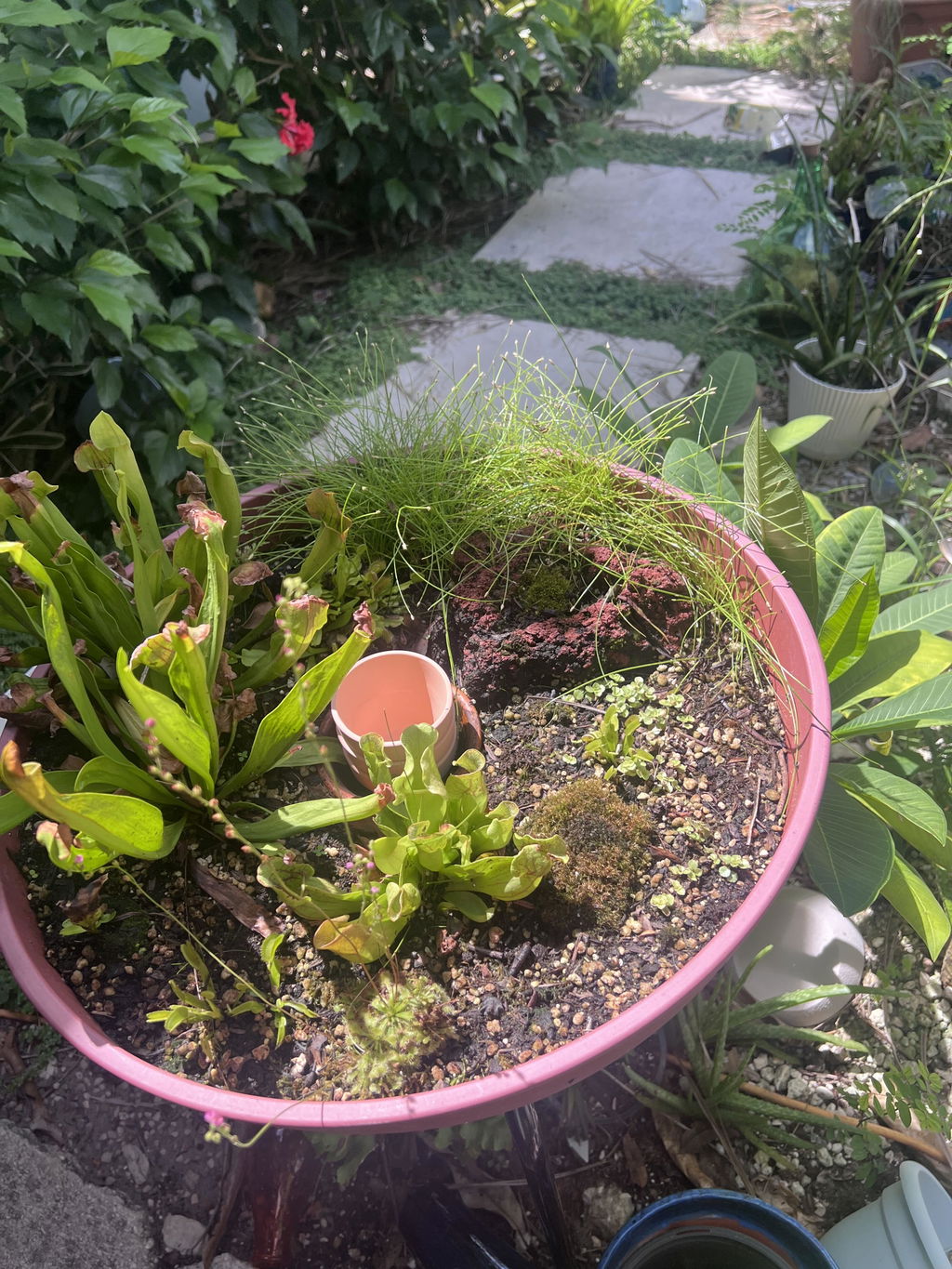
Repotted a couple of my nepenthes plants. I will definitely be purchasing more. Very pleased with purchase.
Haven’t used it yet but I’m sure it will be perfect.
Packaged well. Very happy with purchase
Sign up for our newsletter!
Sort by:
18 products
18 products
72 Hour Heat Packs are a great way to help protect your Tropical Plants during shipment. We recommend adding these to your purchases from November to February, whenever your local temperatures drop below freezing.
Please use your best judgment when ordering, as some plants will become stressed if these are used over summer or when temperatures are above 80 degrees. We will do our best to remove these, and issue a refund, if they are not needed or could be harmful to the plants.
Plants that can use a heat pack are:
Sun: Nepenthes should be grown on a sunny windowsill where the plant receives direct light for at least four hours daily. Grow in a cooled greenhouse in full sun, but we recommend 30% shade cloth overhead in summer. Grow in a terrarium or shelf under grow lights for the best color and pitcher formation. When grown under lights, lights should be on a 10-12 hour day length, and the plants can be grown six to ten inches from the light, depending on the strength of the light. Poor pitcher formation is usually a sign of not enough light.
Water & Humidity: Water frequently with distilled, reverse osmosis, or rainwater. Do not let the pots sit in water for long periods. You can water from the bottom, fill trays with water, and let the plant dry out for a few days before watering again. Be careful not to dry the plants out completely. Watering overhead occasionally is also beneficial for the plants. Nepenthes appreciate humidity of at least 60% but can do very well in household conditions without increased humidity if watered regularly. Any added humidity will be enjoyed by your plant! Too little humidity is the second most likely cause of poor pitcher formation.
Temperature: Daytime temperatures should be in the 70s-80s, with a 10-20 degree drop in night temperatures. Never expose your plants to temperatures below 40 degrees or above 90 degrees, as this can damage or kill them. Nepenthes do best indoors and should not be grown outdoors in most areas unless you have very mild temperatures.
Dormancy: Nepenthes do not have a dormancy as they are tropical plants, but they can slow down growth in winter when photo periods shorten.
Fertilizer: Apply diluted Maxsea fertilizer once or twice a month to the leaves and inside the pitchers. Slow-release osmocote pellets can be added to the pitchers along with a bit of distilled water. Small pitchers may burn back upon feeding, but this will still greatly benefit the plant with nutrients. Small insects can also be fed to pitchers.
Soil & Repotting: Nepenthes should be grown in a mix of long-fibered New Zealand sphagnum moss, orchid bark, pumice, and perlite. We have all of our custom Nepenthes soil blends available to add to your order, but you do not need to repot your plant for at least a year after receiving it from us. Nepenthes appreciate frequent repotting every three years and only move to a slightly bigger pot.
More Information: For more information on repotting, pests, growing habits, and more, check out our FAQ page or our YouTube channel!

Nepenthes ( x ‘Peter D’Amato’ ) x edwardsiana “Giant” CalCarn Seed-Grown Potted
$ 224.99
Unit price perNepenthes ( x ‘Peter D’Amato’ ) x edwardsiana “Giant” CalCarn Seed-Grown Potted
$ 224.99
Unit price perNepenthes ( x ‘Peter D’Amato’ ) x edwardsiana “Giant” is a brand new CalCarn cross! This is a dream cross, combining the fantastic, iconic toothiness of Nepenthes edwardsiana with the huge, open-mouthed, beautifully mottled pitchers of ‘Peter D’Amato’! Nepenthes x ‘Peter D’Amato’ is a carefully selected clone of ventricosa x lowii, which adds the ease of growth of ventricosa to this hybrid!
The seedlings already have beautiful little red pitchers, and we expect them to be weird and wonderful, especially with the two infamous parents used in this cross!
These are all seed grown individuals and this is not in TC so don’t miss out on this exciting but limited offering. We have very few of these. These plants can have splotches of red on the leaves.
The first three photos are of the parents in the cross.
Care Instructions
Growth Habit: Nepenthes are vines and start small; as the plant grows, each leaf will be larger than the last, as will the pitchers that develop from these leaves. It is normal for the pitchers and leaves to die back over time. As leaves and pitchers die back, the plant will continue to vine, turning brown and woody along the stem. Over time, these form large, sprawling vines that can be hung in baskets or trellised upright in large pots. Nepenthes have thin, black roots, and not many of them.
Sun: Nepenthes should be grown on a sunny windowsill where the plant receives direct light for at least four hours daily. Grow in a cooled greenhouse in full sun, but we recommend 30% shade cloth overhead in summer. Grow in a terrarium or shelf under grow lights for the best color and pitcher formation. When grown under lights, lights should be on a 10-12 hour day length, and the plants can be grown six to ten inches from the light, depending on the strength of the light. Poor pitcher formation is usually a sign of not enough light.
Water & Humidity: Water frequently with distilled, reverse osmosis, or rainwater. Do not let the pots sit in water for long periods. You can water from the bottom, fill trays with water, and let the plant dry out for a few days before watering again. Be careful not to dry the plants out completely. Watering overhead occasionally is also beneficial for the plants. Nepenthes appreciate humidity of at least 60% but can do very well in household conditions without increased humidity if watered regularly. Any added humidity will be enjoyed by your plant! Too little humidity is the second most likely cause of poor pitcher formation.
Temperature: Daytime temperatures should be in the 70s-80s, with a 10-20 degree drop in night temperatures. Never expose your plants to temperatures below 40 degrees or above 90 degrees, as this can damage or kill them. Nepenthes do best indoors and should not be grown outdoors in most areas unless you have very mild temperatures.
Dormancy: Nepenthes do not have a dormancy as they are tropical plants, but they can slow down growth in winter when photo periods shorten.
Fertilizer: Apply diluted Maxsea fertilizer once or twice a month to the leaves and inside the pitchers. Slow-release osmocote pellets can be added to the pitchers along with a bit of distilled water. Small pitchers may burn back upon feeding, but this will still greatly benefit the plant with nutrients. Small insects can also be fed to pitchers.
Soil & Repotting: Nepenthes should be grown in a mix of long-fibered New Zealand sphagnum moss, orchid bark, pumice, and perlite. We have all of our custom Nepenthes soil blends available to add to your order, but you do not need to repot your plant for at least a year after receiving it from us. Nepenthes appreciate frequent repotting every three years and only move to a slightly bigger pot.
More Information: For more information on repotting, pests, growing habits, and more, check out our FAQ page or our YouTube channel!
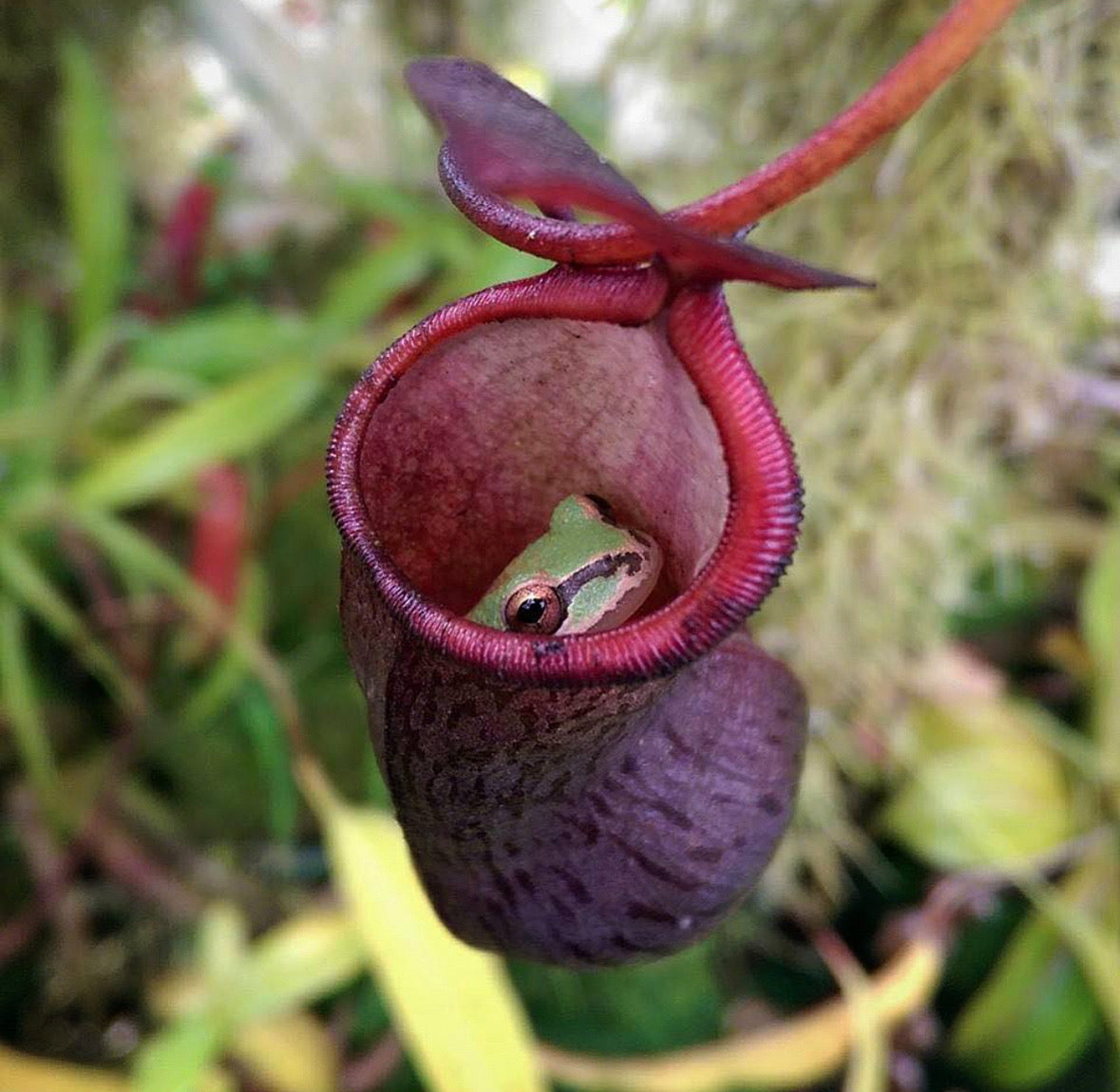
Sun: Nepenthes should be grown on a sunny windowsill where the plant receives direct light for at least four hours daily. Grow in a cooled greenhouse in full sun, but we recommend 30% shade cloth overhead in summer. Grow in a terrarium or shelf under grow lights for the best color and pitcher formation. When grown under lights, lights should be on a 10-12 hour day length, and the plants can be grown six to ten inches from the light, depending on the strength of the light. Poor pitcher formation is usually a sign of not enough light.
Water & Humidity: Water frequently with distilled, reverse osmosis, or rainwater. Do not let the pots sit in water for long periods. You can water from the bottom, fill trays with water, and let the plant dry out for a few days before watering again. Be careful not to dry the plants out completely. Watering overhead occasionally is also beneficial for the plants. Nepenthes appreciate humidity of at least 60% but can do very well in household conditions without increased humidity if watered regularly. Any added humidity will be enjoyed by your plant! Too little humidity is the second most likely cause of poor pitcher formation.
Temperature: Daytime temperatures should be in the 70s-80s, with a 10-20 degree drop in night temperatures. Never expose your plants to temperatures below 40 degrees or above 90 degrees, as this can damage or kill them. Nepenthes do best indoors and should not be grown outdoors in most areas unless you have very mild temperatures.
Dormancy: Nepenthes do not have a dormancy as they are tropical plants, but they can slow down growth in winter when photo periods shorten.
Fertilizer: Apply diluted Maxsea fertilizer once or twice a month to the leaves and inside the pitchers. Slow-release osmocote pellets can be added to the pitchers along with a bit of distilled water. Small pitchers may burn back upon feeding, but this will still greatly benefit the plant with nutrients. Small insects can also be fed to pitchers.
Soil & Repotting: Nepenthes should be grown in a mix of long-fibered New Zealand sphagnum moss, orchid bark, pumice, and perlite. We have all of our custom Nepenthes soil blends available to add to your order, but you do not need to repot your plant for at least a year after receiving it from us. Nepenthes appreciate frequent repotting every three years and only move to a slightly bigger pot.
More Information: For more information on repotting, pests, growing habits, and more, check out our FAQ page or our YouTube channel!
Sun: Nepenthes should be grown on a sunny windowsill where the plant receives direct light for at least four hours daily. Grow in a cooled greenhouse in full sun, but we recommend 30% shade cloth overhead in summer. Grow in a terrarium or shelf under grow lights for the best color and pitcher formation. When grown under lights, lights should be on a 10-12 hour day length, and the plants can be grown six to ten inches from the light, depending on the strength of the light. Poor pitcher formation is usually a sign of not enough light.
Water & Humidity: Water frequently with distilled, reverse osmosis, or rainwater. Do not let the pots sit in water for long periods. You can water from the bottom, fill trays with water, and let the plant dry out for a few days before watering again. Be careful not to dry the plants out completely. Watering overhead occasionally is also beneficial for the plants. Nepenthes appreciate humidity of at least 60% but can do very well in household conditions without increased humidity if watered regularly. Any added humidity will be enjoyed by your plant! Too little humidity is the second most likely cause of poor pitcher formation.
Temperature: Daytime temperatures should be in the 70s-80s, with a 10-20 degree drop in night temperatures. Never expose your plants to temperatures below 40 degrees or above 90 degrees, as this can damage or kill them. Nepenthes do best indoors and should not be grown outdoors in most areas unless you have very mild temperatures.
Dormancy: Nepenthes do not have a dormancy as they are tropical plants, but they can slow down growth in winter when photo periods shorten.
Fertilizer: Apply diluted Maxsea fertilizer once or twice a month to the leaves and inside the pitchers. Slow-release osmocote pellets can be added to the pitchers along with a bit of distilled water. Small pitchers may burn back upon feeding, but this will still greatly benefit the plant with nutrients. Small insects can also be fed to pitchers.
Soil & Repotting: Nepenthes should be grown in a mix of long-fibered New Zealand sphagnum moss, orchid bark, pumice, and perlite. We have all of our custom Nepenthes soil blends available to add to your order, but you do not need to repot your plant for at least a year after receiving it from us. Nepenthes appreciate frequent repotting every three years and only move to a slightly bigger pot.
More Information: For more information on repotting, pests, growing habits, and more, check out our FAQ page or our YouTube channel!
Growth Habit: Nepenthes are vines and start small; as the plant grows, each leaf will be larger than the last, as will the pitchers that develop from these leaves. It is normal for the pitchers and leaves to die back over time. As leaves and pitchers die back, the plant will continue to vine, turning brown and woody along the stem. Over time, these form large, sprawling vines that can be hung in baskets or trellised upright in large pots. Nepenthes have thin, black roots, and not many of them.
Sun: Nepenthes should be grown on a sunny windowsill where the plant receives direct light for at least four hours daily. Grow in a cooled greenhouse in full sun, but we recommend 30% shade cloth overhead in summer. Grow in a terrarium or shelf under grow lights for the best color and pitcher formation. When grown under lights, lights should be on a 10-12 hour day length, and the plants can be grown six to ten inches from the light, depending on the strength of the light. Poor pitcher formation is usually a sign of not enough light.
Water & Humidity: Water frequently with distilled, reverse osmosis, or rainwater. Do not let the pots sit in water for long periods. You can water from the bottom, fill trays with water, and let the plant dry out for a few days before watering again. Be careful not to dry the plants out completely. Watering overhead occasionally is also beneficial for the plants. This species will appreciate added humidity, humidity over 70% is ideal.
Temperature: Daytime temperatures should be in the 60-80, with a 10 degree drop in night temperatures. Never expose your plants to temperatures below 40 degrees or above 85 degrees, as this can damage or kill them. This species prefers cooler temps and higher humidity at all times. Nepenthes do best indoors and should not be grown outdoors in most areas unless you have very mild temperatures.
Dormancy: Nepenthes do not have a dormancy as they are tropical plants, but they can slow down growth in winter when photo periods shorten.
Fertilizer: Apply diluted Maxsea fertilizer once or twice a month to the leaves and inside the pitchers. Slow-release osmocote pellets can be added to the pitchers along with a bit of distilled water. Small pitchers may burn back upon feeding, but this will still greatly benefit the plant with nutrients. Small insects can also be fed to pitchers.
Soil & Repotting: Nepenthes should be grown in a mix of long-fibered New Zealand sphagnum moss, orchid bark, pumice, and perlite. We have all of our custom Nepenthes soil blends available to add to your order, but you do not need to repot your plant for at least a year after receiving it from us. Nepenthes appreciate frequent repotting every three years and only move to a slightly bigger pot.
More Information: For more information on repotting, pests, growing habits, and more, check out our FAQ page or our YouTube channel!
Growth Habit: Nepenthes are vines and start small; as the plant grows, each leaf will be larger than the last, as will the pitchers that develop from these leaves. It is normal for the pitchers and leaves to die back over time. As leaves and pitchers die back, the plant will continue to vine, turning brown and woody along the stem. Over time, these form large, sprawling vines that can be hung in baskets or trellised upright in large pots. Nepenthes have thin, black roots, and not many of them.
Sun: Nepenthes should be grown on a sunny windowsill where the plant receives direct light for at least four hours daily. Grow in a cooled greenhouse in full sun, but we recommend 30% shade cloth overhead in summer. Grow in a terrarium or shelf under grow lights for the best color and pitcher formation. When grown under lights, lights should be on a 10-12 hour day length, and the plants can be grown six to ten inches from the light, depending on the strength of the light. Poor pitcher formation is usually a sign of not enough light.
Water & Humidity: Water frequently with distilled, reverse osmosis, or rainwater. Do not let the pots sit in water for long periods. You can water from the bottom, fill trays with water, and let the plant dry out for a few days before watering again. Be careful not to dry the plants out completely. Watering overhead occasionally is also beneficial for the plants. Nepenthes appreciate humidity of at least 60% but can do very well in household conditions without increased humidity if watered regularly. Any added humidity will be enjoyed by your plant! Too little humidity is the second most likely cause of poor pitcher formation.
Temperature: Daytime temperatures should be in the 70s-80s, with a 10-20 degree drop in night temperatures. Never expose your plants to temperatures below 40 degrees or above 90 degrees, as this can damage or kill them. Nepenthes do best indoors and should not be grown outdoors in most areas unless you have very mild temperatures.
Dormancy: Nepenthes do not have a dormancy as they are tropical plants, but they can slow down growth in winter when photo periods shorten.
Fertilizer: Apply diluted Maxsea fertilizer once or twice a month to the leaves and inside the pitchers. Slow-release osmocote pellets can be added to the pitchers along with a bit of distilled water. Small pitchers may burn back upon feeding, but this will still greatly benefit the plant with nutrients. Small insects can also be fed to pitchers.
Soil & Repotting: Nepenthes should be grown in a mix of long-fibered New Zealand sphagnum moss, orchid bark, pumice, and perlite. We have all of our custom Nepenthes soil blends available to add to your order, but you do not need to repot your plant for at least a year after receiving it from us. Nepenthes appreciate frequent repotting every three years and only move to a slightly bigger pot.
More Information: For more information on repotting, pests, growing habits, and more, check out our FAQ page or our YouTube channel!
Nepenthes glandulifera x edwardsiana “Giant” CalCarn Seed-Grown Potted
Nepenthes glandulifera x edwardsiana is a brand new CalCarn cross! Our Nepenthes edwardsiana “Giant” is one of the nicest examples of the species in cultivation! Each distinguished pitcher is lined with shaped hooks, an iconic peristome! We’ve combined this with one of our favorite Nepenthes species, glandulifera. Glandulifera has beautiful wide-open peristomes and mottled pitchers, but the best part of glandulifera is the fine hairs covering the plant! We’re so excited to see all the variations coming out of a cross like this; each seed-grown plant will be a unique treasure!
The seedlings already have beautiful little red pitchers, and we expect them to become nice, compact plants with those spectacular Eddie-like pitchers that everyone wants these days!
These are all seed-grown individuals and are not in TC, so don’t miss out on this exciting but limited offering.
The first three photos are of the parents in the cross.
Care Instructions
Growth Habit: Nepenthes are vines and start small; as the plant grows, each leaf will be larger than the last, as will the pitchers that develop from these leaves. It is normal for the pitchers and leaves to die back over time. As leaves and pitchers die back, the plant will continue to vine, turning brown and woody along the stem. Over time, these form large, sprawling vines that can be hung in baskets or trellised upright in large pots. Nepenthes have thin, black roots, and not many of them.
Sun: Nepenthes should be grown on a sunny windowsill where the plant receives direct light for at least four hours daily. Grow in a cooled greenhouse in full sun, but we recommend 30% shade cloth overhead in summer. Grow in a terrarium or shelf under grow lights for the best color and pitcher formation. When grown under lights, lights should be on a 10-12 hour day length, and the plants can be grown six to ten inches from the light, depending on the strength of the light. Poor pitcher formation is usually a sign of not enough light.
Water & Humidity: Water frequently with distilled, reverse osmosis, or rainwater. Do not let the pots sit in water for long periods. You can water from the bottom, fill trays with water, and let the plant dry out for a few days before watering again. Be careful not to dry the plants out completely. Watering overhead occasionally is also beneficial for the plants. Nepenthes appreciate humidity of at least 60% but can do very well in household conditions without increased humidity if watered regularly. Any added humidity will be enjoyed by your plant! Too little humidity is the second most likely cause of poor pitcher formation.
Temperature: Daytime temperatures should be in the 70s-80s, with a 10-20 degree drop in night temperatures. Never expose your plants to temperatures below 40 degrees or above 90 degrees, as this can damage or kill them. Nepenthes do best indoors and should not be grown outdoors in most areas unless you have very mild temperatures.
Dormancy: Nepenthes do not have a dormancy as they are tropical plants, but they can slow down growth in winter when photo periods shorten.
Fertilizer: Apply diluted Maxsea fertilizer once or twice a month to the leaves and inside the pitchers. Slow-release osmocote pellets can be added to the pitchers along with a bit of distilled water. Small pitchers may burn back upon feeding, but this will still greatly benefit the plant with nutrients. Small insects can also be fed to pitchers.
Soil & Repotting: Nepenthes should be grown in a mix of long-fibered New Zealand sphagnum moss, orchid bark, pumice, and perlite. We have all of our custom Nepenthes soil blends available to add to your order, but you do not need to repot your plant for at least a year after receiving it from us. Nepenthes appreciate frequent repotting every three years and only move to a slightly bigger pot.
More Information: For more information on repotting, pests, growing habits, and more, check out our FAQ page or our YouTube channel!
Care Instructions
Growth Habit: Nepenthes are vines and start small; as the plant grows, each leaf will be larger than the last, as will the pitchers that develop from these leaves. It is normal for the pitchers and leaves to die back over time. As leaves and pitchers die back, the plant will continue to vine, turning brown and woody along the stem. Over time, these form large, sprawling vines that can be hung in baskets or trellised upright in large pots. Nepenthes have thin, black roots, and not many of them.
Sun: Nepenthes should be grown on a sunny windowsill where the plant receives direct light for at least four hours daily. Grow in a cooled greenhouse in full sun, but we recommend 30% shade cloth overhead in summer. Grow in a terrarium or shelf under grow lights for the best color and pitcher formation. When grown under lights, lights should be on a 10-12 hour day length, and the plants can be grown six to ten inches from the light, depending on the strength of the light. Poor pitcher formation is usually a sign of not enough light.
Water & Humidity: Water frequently with distilled, reverse osmosis, or rainwater. Do not let the pots sit in water for long periods. You can water from the bottom, fill trays with water, and let the plant dry out for a few days before watering again. Be careful not to dry the plants out completely. Watering overhead occasionally is also beneficial for the plants. Nepenthes appreciate humidity of at least 60% and this species will do best with high humidity.
Temperature: Daytime temperatures should be in the 70s-80s, with a 10-20 degree drop in night temperatures. Never expose your plants to temperatures below 40 degrees or above 90 degrees, as this can damage or kill them. Nepenthes do best indoors and should not be grown outdoors in most areas unless you have very mild temperatures.
Dormancy: Nepenthes do not have a dormancy as they are tropical plants, but they can slow down growth in winter when photo periods shorten.
Fertilizer: Apply diluted Maxsea fertilizer once or twice a month to the leaves and inside the pitchers. Slow-release osmocote pellets can be added to the pitchers along with a bit of distilled water. Small pitchers may burn back upon feeding, but this will still greatly benefit the plant with nutrients. Small insects can also be fed to pitchers.
Soil & Repotting: Nepenthes should be grown in a mix of long-fibered New Zealand sphagnum moss, orchid bark, pumice, and perlite. We have all of our custom Nepenthes soil blends available to add to your order, but you do not need to repot your plant for at least a year after receiving it from us. Nepenthes appreciate frequent repotting every three years and only move to a slightly bigger pot.
More Information: For more information on repotting, pests, growing habits, and more, check out our FAQ page or our YouTube channel!
Sun: Nepenthes should be grown on a sunny windowsill where the plant receives direct light for at least four hours daily. Grow in a cooled greenhouse in full sun, but we recommend 30% shade cloth overhead in summer. Grow in a terrarium or shelf under grow lights for the best color and pitcher formation. When grown under lights, lights should be on a 10-12 hour day length, and the plants can be grown six to ten inches from the light, depending on the strength of the light. Poor pitcher formation is usually a sign of not enough light.
Water & Humidity: Water frequently with distilled, reverse osmosis, or rainwater. Do not let the pots sit in water for long periods. You can water from the bottom, fill trays with water, and let the plant dry out for a few days before watering again. Be careful not to dry the plants out completely. Watering overhead occasionally is also beneficial for the plants. Nepenthes appreciate humidity of at least 60% but can do very well in household conditions without increased humidity if watered regularly. Any added humidity will be enjoyed by your plant! Too little humidity is the second most likely cause of poor pitcher formation.
Temperature: Daytime temperatures should be in the 70s-80s, with a 10-20 degree drop in night temperatures. Never expose your plants to temperatures below 40 degrees or above 90 degrees, as this can damage or kill them. Nepenthes do best indoors and should not be grown outdoors in most areas unless you have very mild temperatures.
Dormancy: Nepenthes do not have a dormancy as they are tropical plants, but they can slow down growth in winter when photo periods shorten.
Fertilizer: Apply diluted Maxsea fertilizer once or twice a month to the leaves and inside the pitchers. Slow-release osmocote pellets can be added to the pitchers along with a bit of distilled water. Small pitchers may burn back upon feeding, but this will still greatly benefit the plant with nutrients. Small insects can also be fed to pitchers.
Soil & Repotting: Nepenthes should be grown in a mix of long-fibered New Zealand sphagnum moss, orchid bark, pumice, and perlite. We have all of our custom Nepenthes soil blends available to add to your order, but you do not need to repot your plant for at least a year after receiving it from us. Nepenthes appreciate frequent repotting every three years and only move to a slightly bigger pot.
More Information: For more information on repotting, pests, growing habits, and more, check out our FAQ page or our YouTube channel!
The maxima we used in this hybrid ways sold by Borneo Exotics and was formerly known as eymae. Unfortunately it didn’t end up being eymae, but was this beautiful clone of maxima. What makes this cross particularly exciting is the giant red sanguinea from Exotica that is highly sought after and can produce pitchers well over a foot tall! A great plant for the beginner and collector alike, looking for an easy grower with huge pitchers!
All individuals from seed, exclusive to California Carnivores.
Care Instructions
Growth Habit: Nepenthes are vines and start small; as the plant grows, each leaf will be larger than the last, as will the pitchers that develop from these leaves. It is normal for the pitchers and leaves to die back over time. As leaves and pitchers die back, the plant will continue to vine, turning brown and woody along the stem. Over time, these form large, sprawling vines that can be hung in baskets or trellised upright in large pots. Nepenthes have thin, black roots, and not many of them.
Sun: Nepenthes should be grown on a sunny windowsill where the plant receives direct light for at least four hours daily. Grow in a cooled greenhouse in full sun, but we recommend 30% shade cloth overhead in summer. Grow in a terrarium or shelf under grow lights for the best color and pitcher formation. When grown under lights, lights should be on a 10-12 hour day length, and the plants can be grown six to ten inches from the light, depending on the strength of the light. Poor pitcher formation is usually a sign of not enough light.
Water & Humidity: Water frequently with distilled, reverse osmosis, or rainwater. Do not let the pots sit in water for long periods. You can water from the bottom, fill trays with water, and let the plant dry out for a few days before watering again. Be careful not to dry the plants out completely. Watering overhead occasionally is also beneficial for the plants. Nepenthes appreciate humidity of at least 60% but can do very well in household conditions without increased humidity if watered regularly. Any added humidity will be enjoyed by your plant! Too little humidity is the second most likely cause of poor pitcher formation.
Temperature: Daytime temperatures should be in the 70s-80s, with a 10-20 degree drop in night temperatures. Never expose your plants to temperatures below 40 degrees or above 90 degrees, as this can damage or kill them. Nepenthes do best indoors and should not be grown outdoors in most areas unless you have very mild temperatures.
Dormancy: Nepenthes do not have a dormancy as they are tropical plants, but they can slow down growth in winter when photo periods shorten.
Fertilizer: Apply diluted Maxsea fertilizer once or twice a month to the leaves and inside the pitchers. Slow-release osmocote pellets can be added to the pitchers along with a bit of distilled water. Small pitchers may burn back upon feeding, but this will still greatly benefit the plant with nutrients. Small insects can also be fed to pitchers.
Soil & Repotting: Nepenthes should be grown in a mix of long-fibered New Zealand sphagnum moss, orchid bark, pumice, and perlite. We have all of our custom Nepenthes soil blends available to add to your order, but you do not need to repot your plant for at least a year after receiving it from us. Nepenthes appreciate frequent repotting every three years and only move to a slightly bigger pot.
More Information: For more information on repotting, pests, growing habits, and more, check out our FAQ page or our YouTube channel!
Nepenthes robcantleyi is arguably the most spectacular species of Nepenthes yet discovered. They have huge pitchers with giant, flared peristomes that are show stoppingly showy! It’s well known for making large pitchers fast, especially with a boost of humidity.
These little guys are small sized now, but one things for sure, they'll be giant and amazing when they're grown.
These plants are from our own CalCarn tissue culture lab and are from multiple clones.
Care Instructions
Growth Habit: Nepenthes are vines and start small; as the plant grows, each leaf will be larger than the last, as will the pitchers that develop from these leaves. It is normal for the pitchers and leaves to die back over time. As leaves and pitchers die back, the plant will continue to vine, turning brown and woody along the stem. Over time, these form large, sprawling vines that can be hung in baskets or trellised upright in large pots. Nepenthes have thin, black roots, and not many of them.
Sun: Nepenthes should be grown on a sunny windowsill where the plant receives direct light for at least four hours daily. Grow in a cooled greenhouse in full sun, but we recommend 30% shade cloth overhead in summer. Grow in a terrarium or shelf under grow lights for the best color and pitcher formation. When grown under lights, lights should be on a 10-12 hour day length, and the plants can be grown six to ten inches from the light, depending on the strength of the light. Poor pitcher formation is usually a sign of not enough light.
Water & Humidity: Water frequently with distilled, reverse osmosis, or rainwater. Do not let the pots sit in water for long periods. You can water from the bottom, fill trays with water, and let the plant dry out for a few days before watering again. Be careful not to dry the plants out completely. Watering overhead occasionally is also beneficial for the plants. Nepenthes appreciate humidity of at least 60% but can do very well in household conditions without increased humidity if watered regularly. Any added humidity will be enjoyed by your plant! Too little humidity is the second most likely cause of poor pitcher formation.
Temperature: Daytime temperatures should be in the 70s-80s, with a 10-20 degree drop in night temperatures. Never expose your plants to temperatures below 40 degrees or above 90 degrees, as this can damage or kill them. Nepenthes do best indoors and should not be grown outdoors in most areas unless you have very mild temperatures.
Dormancy: Nepenthes do not have a dormancy as they are tropical plants, but they can slow down growth in winter when photo periods shorten.
Fertilizer: Apply diluted Maxsea fertilizer once or twice a month to the leaves and inside the pitchers. Slow-release osmocote pellets can be added to the pitchers along with a bit of distilled water. Small pitchers may burn back upon feeding, but this will still greatly benefit the plant with nutrients. Small insects can also be fed to pitchers.
Soil & Repotting: Nepenthes should be grown in a mix of long-fibered New Zealand sphagnum moss, orchid bark, pumice, and perlite. We have all of our custom Nepenthes soil blends available to add to your order, but you do not need to repot your plant for at least a year after receiving it from us. Nepenthes appreciate frequent repotting every three years and only move to a slightly bigger pot.
More Information: For more information on repotting, pests, growing habits, and more, check out our FAQ page or our YouTube channel!
Nepenthes spathulata x edwardsiana “Giant” is a brand new CalCarn cross! This cross is already a proven winner from other Nepenthes breeders; we expect these to be even a cut above those! We used our especially big and beautiful edwardsiana! At maturity, we expect these to have giant orangey pitchers well over a foot tall, and you shouldn’t have to wait so long because this cross has already proven extremely vigorous!
We especially love the pitchers' milky white interiors, which are spotted with deep, dark blotches!
These are all seed-grown individuals and are not in TC, so don’t miss out on this exciting but limited offering. We have very few of these.
Care Instructions
Growth Habit: Nepenthes are vines and start small; as the plant grows, each leaf will be larger than the last, as will the pitchers that develop from these leaves. It is normal for the pitchers and leaves to die back over time. As leaves and pitchers die back, the plant will continue to vine, turning brown and woody along the stem. Over time, these form large, sprawling vines that can be hung in baskets or trellised upright in large pots. Nepenthes have thin, black roots, and not many of them.
Sun: Nepenthes should be grown on a sunny windowsill where the plant receives direct light for at least four hours daily. Grow in a cooled greenhouse in full sun, but we recommend 30% shade cloth overhead in summer. Grow in a terrarium or shelf under grow lights for the best color and pitcher formation. When grown under lights, lights should be on a 10-12 hour day length, and the plants can be grown six to ten inches from the light, depending on the strength of the light. Poor pitcher formation is usually a sign of not enough light.
Water & Humidity: Water frequently with distilled, reverse osmosis, or rainwater. Do not let the pots sit in water for long periods. You can water from the bottom, fill trays with water, and let the plant dry out for a few days before watering again. Be careful not to dry the plants out completely. Watering overhead occasionally is also beneficial for the plants. Nepenthes appreciate humidity of at least 60% but can do very well in household conditions without increased humidity if watered regularly. Any added humidity will be enjoyed by your plant! Too little humidity is the second most likely cause of poor pitcher formation.
Temperature: Daytime temperatures should be in the 70s-80s, with a 10-20 degree drop in night temperatures. Never expose your plants to temperatures below 40 degrees or above 90 degrees, as this can damage or kill them. Nepenthes do best indoors and should not be grown outdoors in most areas unless you have very mild temperatures.
Dormancy: Nepenthes do not have a dormancy as they are tropical plants, but they can slow down growth in winter when photo periods shorten.
Fertilizer: Apply diluted Maxsea fertilizer once or twice a month to the leaves and inside the pitchers. Slow-release osmocote pellets can be added to the pitchers along with a bit of distilled water. Small pitchers may burn back upon feeding, but this will still greatly benefit the plant with nutrients. Small insects can also be fed to pitchers.
Soil & Repotting: Nepenthes should be grown in a mix of long-fibered New Zealand sphagnum moss, orchid bark, pumice, and perlite. We have all of our custom Nepenthes soil blends available to add to your order, but you do not need to repot your plant for at least a year after receiving it from us. Nepenthes appreciate frequent repotting every three years and only move to a slightly bigger pot.
More Information: For more information on repotting, pests, growing habits, and more, check out our FAQ page or our YouTube channel!
One of the best of the spectabilis, the plants from Sibuyatan are a little more beautiful than some of the others. It is also extremely prolific and makes lots of pitchers! Each pitcher is speckled, limey green, and deep red! It can be a compact grower, so it makes an excellent houseplant!
These are from a random selection of clones in tissue culture from Borneo Exotics, BE-3177. These plants can have splotches of red on the leaves.
Care Instructions
Growth Habit: Nepenthes are vines and start small; as the plant grows, each leaf will be larger than the last, as will the pitchers that develop from these leaves. It is normal for the pitchers and leaves to die back over time. As leaves and pitchers die back, the plant will continue to vine, turning brown and woody along the stem. Over time, these form large, sprawling vines that can be hung in baskets or trellised upright in large pots. Nepenthes have thin, black roots, and not many of them.
Sun: Nepenthes should be grown on a sunny windowsill where the plant receives direct light for at least four hours daily. Grow in a cooled greenhouse in full sun, but we recommend 30% shade cloth overhead in summer. Grow in a terrarium or shelf under grow lights for the best color and pitcher formation. When grown under lights, lights should be on a 10-12 hour day length, and the plants can be grown six to ten inches from the light, depending on the strength of the light. Poor pitcher formation is usually a sign of not enough light.
Water & Humidity: Water frequently with distilled, reverse osmosis, or rainwater. Do not let the pots sit in water for long periods. You can water from the bottom, fill trays with water, and let the plant dry out for a few days before watering again. Be careful not to dry the plants out completely. Watering overhead occasionally is also beneficial for the plants. Nepenthes appreciate humidity of at least 60% but can do very well in household conditions without increased humidity if watered regularly. Any added humidity will be enjoyed by your plant! Too little humidity is the second most likely cause of poor pitcher formation.
Temperature: Daytime temperatures should be in the 70s-80s, with a 10-20 degree drop in night temperatures. Never expose your plants to temperatures below 40 degrees or above 90 degrees, as this can damage or kill them. Nepenthes do best indoors and should not be grown outdoors in most areas unless you have very mild temperatures.
Dormancy: Nepenthes do not have a dormancy as they are tropical plants, but they can slow down growth in winter when photo periods shorten.
Fertilizer: Apply diluted Maxsea fertilizer once or twice a month to the leaves and inside the pitchers. Slow-release osmocote pellets can be added to the pitchers along with a bit of distilled water. Small pitchers may burn back upon feeding, but this will still greatly benefit the plant with nutrients. Small insects can also be fed to pitchers.
Soil & Repotting: Nepenthes should be grown in a mix of long-fibered New Zealand sphagnum moss, orchid bark, pumice, and perlite. We have all of our custom Nepenthes soil blends available to add to your order, but you do not need to repot your plant for at least a year after receiving it from us. Nepenthes appreciate frequent repotting every three years and only move to a slightly bigger pot.
More Information: For more information on repotting, pests, growing habits, and more, check out our FAQ page or our YouTube channel!
Nepenthes truncata (D) “Red Flush” x edwardsiana “giant” CalCarn TC Potted
We are so excited to be offering our very own grex of Nepenthes Truncata x edwardsiana. This cross has already been done so we know that it is a proven winner! We have redone this cross using two of the most exceptional clones available.
The Truncata ‘D’ is a well known beauty with reddish pitchers and our edwardsiana ‘giant’ is probably the best clone in cultivation. It has perfect big peristome ridges and consistently makes giant pitchers well over a foot tall! This is a must have cross for any Nepenthes collection!
The first photo is of the parents used in this cross, the second photo is Nepenthes edwardsiana “Giant” from CalCarn collection and the third photo is Nepenthes truncata “D Red Flush” from Carnivero.
These plants are from our tissue culture lab and there are multiple clones.
Care Instructions
Growth Habit: Nepenthes are vines and start small; as the plant grows, each leaf will be larger than the last, as will the pitchers that develop from these leaves. It is normal for the pitchers and leaves to die back over time. As leaves and pitchers die back, the plant will continue to vine, turning brown and woody along the stem. Over time, these form large, sprawling vines that can be hung in baskets or trellised upright in large pots. Nepenthes have thin, black roots, and not many of them.
Sun: Nepenthes should be grown on a sunny windowsill where the plant receives direct light for at least four hours daily. Grow in a cooled greenhouse in full sun, but we recommend 30% shade cloth overhead in summer. Grow in a terrarium or shelf under grow lights for the best color and pitcher formation. When grown under lights, lights should be on a 10-12 hour day length, and the plants can be grown six to ten inches from the light, depending on the strength of the light. Poor pitcher formation is usually a sign of not enough light.
Water & Humidity: Water frequently with distilled, reverse osmosis, or rainwater. Do not let the pots sit in water for long periods. You can water from the bottom, fill trays with water, and let the plant dry out for a few days before watering again. Be careful not to dry the plants out completely. Watering overhead occasionally is also beneficial for the plants. Nepenthes appreciate humidity of at least 60% but can do very well in household conditions without increased humidity if watered regularly. Any added humidity will be enjoyed by your plant! Too little humidity is the second most likely cause of poor pitcher formation.
Temperature: Daytime temperatures should be in the 70s-80s, with a 10-20 degree drop in night temperatures. Never expose your plants to temperatures below 40 degrees or above 90 degrees, as this can damage or kill them. Nepenthes do best indoors and should not be grown outdoors in most areas unless you have very mild temperatures.
Dormancy: Nepenthes do not have a dormancy as they are tropical plants, but they can slow down growth in winter when photo periods shorten.
Fertilizer: Apply diluted Maxsea fertilizer once or twice a month to the leaves and inside the pitchers. Slow-release osmocote pellets can be added to the pitchers along with a bit of distilled water. Small pitchers may burn back upon feeding, but this will still greatly benefit the plant with nutrients. Small insects can also be fed to pitchers.
Soil & Repotting: Nepenthes should be grown in a mix of long-fibered New Zealand sphagnum moss, orchid bark, pumice, and perlite. We have all of our custom Nepenthes soil blends available to add to your order, but you do not need to repot your plant for at least a year after receiving it from us. Nepenthes appreciate frequent repotting every three years and only move to a slightly bigger pot.
More Information: For more information on repotting, pests, growing habits, and more, check out our FAQ page or our YouTube channel!
We are so excited to be offering our very own grex of Nepenthes Truncata x edwardsiana. This cross has already been done so we know that it is a proven winner! We have redone this cross using two of the most exceptional clones available.
The Truncata ‘D’ is a well known beauty with reddish pitchers and our edwardsiana ‘giant’ is probably the best clone in cultivation. It has perfect big peristome ridges and consistently makes giant pitchers well over a foot tall! This is a must have cross for any Nepenthes collection!
The first photo is of a small K8, second is of the parents used in this cross, the thits photo is Nepenthes edwardsiana “Giant” from CalCarn collection and the fourth photo is Nepenthes truncata “D Red Flush” from Carnivero.
These plants are from our tissue culture lab and this is a select clone, K8, that is extra vigorous.
Care Instructions
Growth Habit: Nepenthes are vines and start small; as the plant grows, each leaf will be larger than the last, as will the pitchers that develop from these leaves. It is normal for the pitchers and leaves to die back over time. As leaves and pitchers die back, the plant will continue to vine, turning brown and woody along the stem. Over time, these form large, sprawling vines that can be hung in baskets or trellised upright in large pots. Nepenthes have thin, black roots, and not many of them.
Sun: Nepenthes should be grown on a sunny windowsill where the plant receives direct light for at least four hours daily. Grow in a cooled greenhouse in full sun, but we recommend 30% shade cloth overhead in summer. Grow in a terrarium or shelf under grow lights for the best color and pitcher formation. When grown under lights, lights should be on a 10-12 hour day length, and the plants can be grown six to ten inches from the light, depending on the strength of the light. Poor pitcher formation is usually a sign of not enough light.
Water & Humidity: Water frequently with distilled, reverse osmosis, or rainwater. Do not let the pots sit in water for long periods. You can water from the bottom, fill trays with water, and let the plant dry out for a few days before watering again. Be careful not to dry the plants out completely. Watering overhead occasionally is also beneficial for the plants. Nepenthes appreciate humidity of at least 60% but can do very well in household conditions without increased humidity if watered regularly. Any added humidity will be enjoyed by your plant! Too little humidity is the second most likely cause of poor pitcher formation.
Temperature: Daytime temperatures should be in the 70s-80s, with a 10-20 degree drop in night temperatures. Never expose your plants to temperatures below 40 degrees or above 90 degrees, as this can damage or kill them. Nepenthes do best indoors and should not be grown outdoors in most areas unless you have very mild temperatures.
Dormancy: Nepenthes do not have a dormancy as they are tropical plants, but they can slow down growth in winter when photo periods shorten.
Fertilizer: Apply diluted Maxsea fertilizer once or twice a month to the leaves and inside the pitchers. Slow-release osmocote pellets can be added to the pitchers along with a bit of distilled water. Small pitchers may burn back upon feeding, but this will still greatly benefit the plant with nutrients. Small insects can also be fed to pitchers.
Soil & Repotting: Nepenthes should be grown in a mix of long-fibered New Zealand sphagnum moss, orchid bark, pumice, and perlite. We have all of our custom Nepenthes soil blends available to add to your order, but you do not need to repot your plant for at least a year after receiving it from us. Nepenthes appreciate frequent repotting every three years and only move to a slightly bigger pot.
More Information: For more information on repotting, pests, growing habits, and more, check out our FAQ page or our YouTube channel!
Nepenthes x ‘Rebecca Soper’ is an easy-to-grow and beautiful hybrid! The leaves are deep and merlot-red, and the pitchers have the same plummy-red coloration. This excellent, lovely, easy-care plant is perfect for beginners and collectors alike!
These are a single clone from tissue culture.
Care Instructions
Growth Habit: Nepenthes are vines and start small; as the plant grows, each leaf will be larger than the last, as will the pitchers that develop from these leaves. It is normal for the pitchers and leaves to die back over time. As leaves and pitchers die back, the plant will continue to vine, turning brown and woody along the stem. Over time, these form large, sprawling vines that can be hung in baskets or trellised upright in large pots. Nepenthes have thin, black roots, and not many of them.
Sun: Nepenthes should be grown on a sunny windowsill where the plant receives direct light for at least four hours daily. Grow in a cooled greenhouse in full sun, but we recommend 30% shade cloth overhead in summer. Grow in a terrarium or shelf under grow lights for the best color and pitcher formation. When grown under lights, lights should be on a 10-12 hour day length, and the plants can be grown six to ten inches from the light, depending on the strength of the light. Poor pitcher formation is usually a sign of not enough light.
Water & Humidity: Water frequently with distilled, reverse osmosis, or rainwater. Do not let the pots sit in water for long periods. You can water from the bottom, fill trays with water, and let the plant dry out for a few days before watering again. Be careful not to dry the plants out completely. Watering overhead occasionally is also beneficial for the plants. Nepenthes appreciate humidity of at least 60% but can do very well in household conditions without increased humidity if watered regularly. Any added humidity will be enjoyed by your plant! Too little humidity is the second most likely cause of poor pitcher formation.
Temperature: Daytime temperatures should be in the 70s-80s, with a 10-20 degree drop in night temperatures. Never expose your plants to temperatures below 40 degrees or above 90 degrees, as this can damage or kill them. Nepenthes do best indoors and should not be grown outdoors in most areas unless you have very mild temperatures.
Dormancy: Nepenthes do not have a dormancy as they are tropical plants, but they can slow down growth in winter when photo periods shorten.
Fertilizer: Apply diluted Maxsea fertilizer once or twice a month to the leaves and inside the pitchers. Slow-release osmocote pellets can be added to the pitchers along with a bit of distilled water. Small pitchers may burn back upon feeding, but this will still greatly benefit the plant with nutrients. Small insects can also be fed to pitchers.
Soil & Repotting: Nepenthes should be grown in a mix of long-fibered New Zealand sphagnum moss, orchid bark, pumice, and perlite. We have all of our custom Nepenthes soil blends available to add to your order, but you do not need to repot your plant for at least a year after receiving it from us. Nepenthes appreciate frequent repotting every three years and only move to a slightly bigger pot.
More Information: For more information on repotting, pests, growing habits, and more, check out our FAQ page or our YouTube channel!
Growth Habit: Nepenthes are vines and start small; as the plant grows, each leaf will be larger than the last, as will the pitchers that develop from these leaves. It is normal for the pitchers and leaves to die back over time. As leaves and pitchers die back, the plant will continue to vine, turning brown and woody along the stem. Over time, these form large, sprawling vines that can be hung in baskets or trellised upright in large pots. Nepenthes have thin, black roots, and not many of them.
Sun: Nepenthes should be grown on a sunny windowsill where the plant receives direct light for at least four hours daily. Grow in a cooled greenhouse in full sun, but we recommend 30% shade cloth overhead in summer. Grow in a terrarium or shelf under grow lights for the best color and pitcher formation. When grown under lights, lights should be on a 10-12 hour day length, and the plants can be grown six to ten inches from the light, depending on the strength of the light. Poor pitcher formation is usually a sign of not enough light.
Water & Humidity: Water frequently with distilled, reverse osmosis, or rainwater. Do not let the pots sit in water for long periods. You can water from the bottom, fill trays with water, and let the plant dry out for a few days before watering again. Be careful not to dry the plants out completely. Watering overhead occasionally is also beneficial for the plants. Nepenthes appreciate humidity of at least 60% but can do very well in household conditions without increased humidity if watered regularly. Any added humidity will be enjoyed by your plant! Too little humidity is the second most likely cause of poor pitcher formation.
Temperature: Daytime temperatures should be in the 70s-80s, with a 10-20 degree drop in night temperatures. Never expose your plants to temperatures below 40 degrees or above 90 degrees, as this can damage or kill them. Nepenthes do best indoors and should not be grown outdoors in most areas unless you have very mild temperatures.
Dormancy: Nepenthes do not have a dormancy as they are tropical plants, but they can slow down growth in winter when photo periods shorten.
Fertilizer: Apply diluted Maxsea fertilizer once or twice a month to the leaves and inside the pitchers. Slow-release osmocote pellets can be added to the pitchers along with a bit of distilled water. Small pitchers may burn back upon feeding, but this will still greatly benefit the plant with nutrients. Small insects can also be fed to pitchers.
Soil & Repotting: Nepenthes should be grown in a mix of long-fibered New Zealand sphagnum moss, orchid bark, pumice, and perlite. We have all of our custom Nepenthes soil blends available to add to your order, but you do not need to repot your plant for at least a year after receiving it from us. Nepenthes appreciate frequent repotting every three years and only move to a slightly bigger pot.
More Information: For more information on repotting, pests, growing habits, and more, check out our FAQ page or our YouTube channel!